Museum of International Folk Art | March 2026
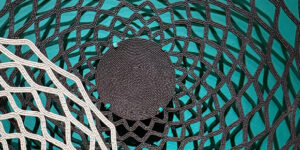
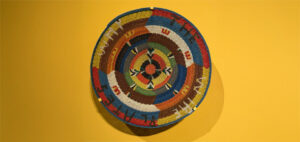
iNgqikithi yokuPhica / Weaving Meanings: Telephone Wire Art from South Africa marked the first major North American exhibition dedicated to contemporary South African telephone wire art. Featuring more than 300 intricately woven works drawn largely from the collection of Foundation trustee, David Arment, the exhibition revealed the extraordinary innovation of artists from KwaZulu-Natal spotlighting the ingenuity of artists who transform colorful, recycled telephone wire into intricate baskets, vessels and sculptural forms.
The exhibition reached an estimated 100,000 museum visitors during the run of the show and generated meaningful media attention locally and nationally, praised for its vibrant presentation and its collaborative curatorial model consisting of guest curator Dr. Elizabeth Perrill from the University of North Carolina at Greensboro along with a team of Indigenous Knowledge Experts led by community curator Muziwandile Gigaba and included Muziwandile Hadebe, Ntombifuthi Mwimule (Maphumulo), and Ntuthoko Khuzwayo from South Africa, to ensure the exhibition was rooted in authentic cultural perspectives.
Across its run, the exhibition has foregrounded artists’ voices and cultural context, blending object display with documentary video content produced in collaboration with South African filmmaker Zamokuhle Mkhize’s Gone Fishing Productions. This contextual depth was noted in press such as the Albuquerque Journal, which highlighted the exhibition’s historical scope, tracing nearly 100 years of artistic innovation. Forbes article praising Weaving Meanings and stating “International Folk Art Museum presents a suite of special exhibitions unsurpassed anywhere in America.”
The exhibition’s interpretive strategy — blending historical materials with contemporary voices — attracted attention from cultural media and scholarly outlets alike. El Palacio magazine published an in-depth article on the cultural and sociohistorical significance of the wire art tradition, offering readers a nuanced look at the artists, their communities and the work itself.
Additional coverage appeared in the Santa Fe New Mexican- Pasatiempo, Hyperallergic and regional arts listings including Santa Fe Reporter and Santa Fe Magazine emphasizing both the visual brilliance of the works and the exhibition’s deeper themes of sustainability, ingenuity and cultural continuity. Global Heroes also posted a podcast focusing on the collaborative efforts of the exhibition.
There was also the pre-exhibition feature in TABLE Magazine of David Arment and his collection,
Public programming enriched the visitor experience: collectors, curators and artists held gallery walkthroughs and talks, live wire weaving demonstrations by artists such as Bongeleni Mkhize and Ntombifuthi (Magwaza) Sibiya. Some programs focused on professional development and artist-led dialogue, as well as artist talks and workshops that extended impact beyond the gallery walls.
More than an exhibition, Weaving Meanings became a cultural bridge—connecting Santa Fe audiences with artists in South Africa and affirming the power of folk art to illuminate shared human creativity across continents.
By centering artists’ perspectives and connecting traditional knowledge with global audiences, Weaving Meanings has not only showcased compelling visual artistry but also fostered intercultural understanding and dialogue. Through thoughtful programming, documentary storytelling and media engagement, this exhibition exemplified how contemporary museum practice can honor artistic lineage while inviting fresh interpretation and appreciation.
The exhibition is planned to travel to at least six additional sites through the U.S. and possibly Europe and even in South Africa through International Arts and Artists.
Strengthening MOIFA’s Future
With a generous grant from an anonymous foundation and funding from the International Folk Art Foundation, Charlie Lockwood, MOIFA’s Executive Director, is working with a selection committee to hire a firm to conduct a site activation plan for the newly acquired Education and Engagement Center property at 705 Camino Lejo and a visionary master plan for the museum. The firm will be tasked with conducting stakeholder engagement and assessment of the facilities to determine the integration of the two sites as well as a vision for the future of the overall museum campus.
Support MOIFA
Your generosity helps MOIFA produce world-class exhibitions and serve diverse audiences statewide, enriching lives through the world’s folk arts. To learn more about giving opportunities, contact Laura Sullivan at [email protected] or 505.216.0829.
Image credits: Photos courtesy of David Arment.

Connect